
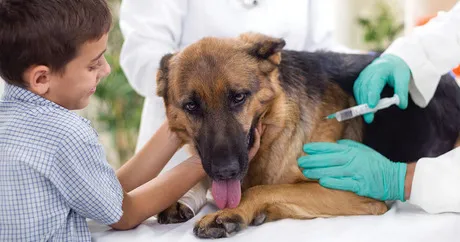
Vaccination is one of the most critical aspects of preventive healthcare for dogs and cats. Vaccines protect pets from potentially life-threatening diseases, enhance their quality of life, and play a key role in public health by preventing zoonotic diseases—those that can be transmitted between animals and humans. Understanding why, when, and how to vaccinate your furry companion is essential for every responsible pet owner.
Why Vaccination Matters
Vaccines work by stimulating an animal’s immune system to recognize and fight specific pathogens. They provide immunity without causing the disease itself, reducing the risk of serious illness. For dogs and cats, vaccines protect against highly contagious and often fatal diseases such as:
- Dogs: Rabies, distemper, parvovirus, canine adenovirus, and bordetella (kennel cough).
- Cats: Feline leukemia virus (FeLV), feline panleukopenia (distemper), feline herpesvirus, and calicivirus.
These diseases are not only devastating but can also be expensive to treat. Vaccination is a proactive and cost-effective way to safeguard your pet’s health.
Core vs. Non-Core Vaccines
Vaccines for dogs and cats are categorized as core and non-core:
- Core Vaccines: These are essential for all pets, regardless of their lifestyle or environment. They protect against diseases that are widespread, severe, and/or pose a risk to human health (e.g., rabies).
- Non-Core Vaccines: These are recommended based on a pet’s specific risk factors, such as geographic location, lifestyle, and exposure to other animals. Examples include the leptospirosis vaccine for dogs or the FeLV vaccine for outdoor cats.
When Should You Vaccinate Your Pet?
Puppies and Kittens: Vaccination schedules for puppies and kittens typically start at 6-8 weeks of age. They require a series of booster shots every 3-4 weeks until they are about 16 weeks old. This ensures their immune systems develop sufficient protection as maternal antibodies wane.
Adult Dogs and Cats: After the initial series, most adult pets require booster vaccines at regular intervals, often annually or every three years, depending on the vaccine. Your veterinarian will tailor a vaccination schedule to your pet’s needs.
Risks and Side Effects
Vaccines are generally safe, with side effects being rare and mild. These may include:
- Temporary soreness at the injection site
- Mild fever
- Decreased appetite or energy for a day or two
Severe reactions, such as an allergic response, are extremely rare but should be addressed immediately. Always discuss any concerns with your veterinarian.
The Role of Vaccination in Public Health
Vaccinating pets doesn’t just protect them; it also contributes to public health. For example, rabies vaccination is crucial in preventing transmission to humans, as rabies is nearly always fatal once symptoms appear.
Tips for Pet Owners
- Stick to the Schedule: Timely vaccinations ensure maximum protection for your pet.
- Keep Records: Maintain a record of your pet’s vaccination history for reference and compliance with local laws.
- Discuss Lifestyle Factors: Share details about your pet’s lifestyle with your veterinarian to determine which non-core vaccines might be beneficial.
- Regular Check-Ups: Annual veterinary visits are an opportunity to review your pet’s vaccination status and overall health.
Conclusion
Vaccination is a cornerstone of responsible pet ownership. It’s a simple, effective way to protect your dog or cat from serious diseases and contribute to a healthier community. By working closely with your veterinarian, you can ensure your furry companion stays happy, healthy, and safe for years to come.