
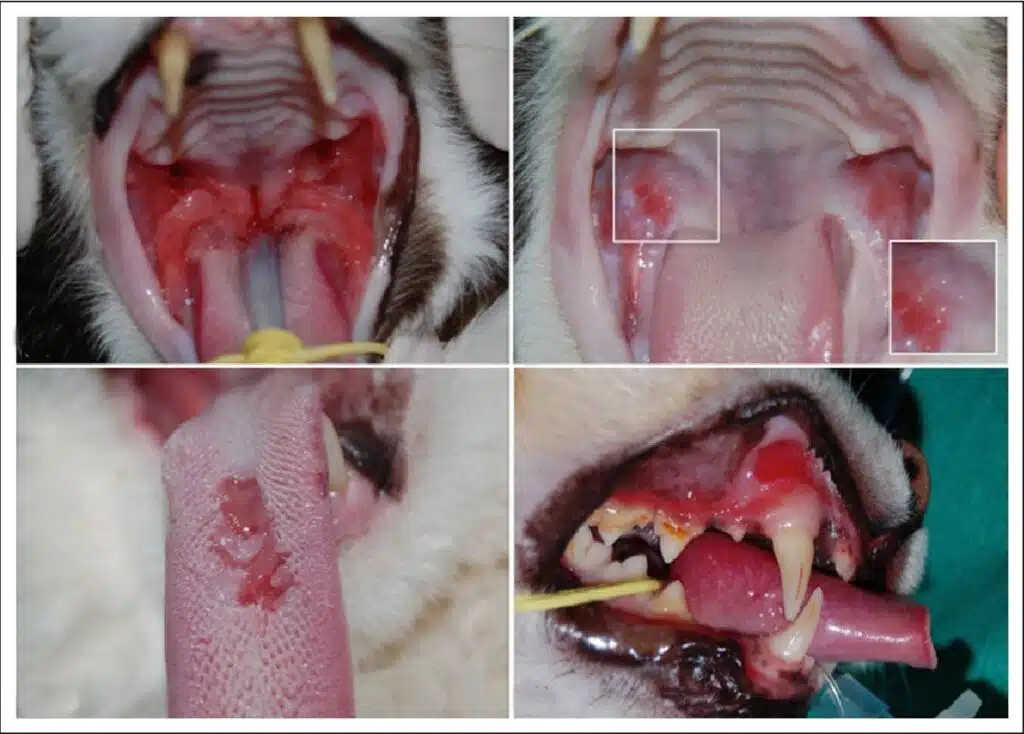
Feline calicivirus (FCV) is a highly contagious virus that affects cats worldwide. As a cat owner or enthusiast, understanding this virus is essential for safeguarding your feline friend’s health. This article explores the key aspects of calicivirus, from its symptoms and treatment options to preventive measures that can protect your cat.
What is Feline Calicivirus?
Feline calicivirus is a common cause of upper respiratory infections (URI) in cats. It belongs to the Caliciviridae family, which can infect various animals. In cats, FCV primarily affects the respiratory tract, mouth, and sometimes the musculoskeletal system. While the virus is typically not life-threatening, certain strains can cause severe symptoms and complications.
How is Calicivirus Spread?
The virus spreads through direct contact with an infected cat’s saliva, nasal secretions, or eye discharge. It can also be transmitted via contaminated surfaces such as food bowls, bedding, or toys. Cats in shelters, boarding facilities, or multi-cat households are at a higher risk due to close contact with other animals.
Symptoms of Feline Calicivirus
Symptoms of FCV vary in severity but often include:
- Sneezing and nasal discharge
- Eye discharge
- Ulcers in the mouth or on the tongue
- Fever
- Lethargy
- Limping or joint pain (in some cases)
- Loss of appetite
In rare cases, highly virulent strains of FCV can lead to systemic infections, causing severe symptoms such as skin swelling, jaundice, or organ failure.
Diagnosing Calicivirus in Cats
If your cat shows signs of FCV, a veterinarian will perform a physical examination and may recommend diagnostic tests. These can include swabs of the oral or nasal cavity to confirm the presence of the virus. Blood tests may also be used to assess the cat’s overall health.
Treatment Options for Feline Calicivirus
There is no specific antiviral treatment for FCV. Instead, supportive care aims to manage symptoms and promote recovery. Treatment options may include:
- Hydration therapy to address dehydration
- Nutritional support for cats that have difficulty eating
- Antibiotics to treat secondary bacterial infections
- Pain relief for mouth ulcers or joint discomfort
- Isolation to prevent the spread of the virus to other cats
In severe cases, hospitalization may be necessary hospitalized in veterinary hospital .
Preventing Feline Calicivirus
Prevention is the best approach to protecting your cat from FCV. Here are some effective preventive measures:
- Vaccination: Ensure your cat receives routine vaccinations, including the feline herpesvirus and calicivirus combination vaccine. While the vaccine may not prevent infection entirely, it significantly reduces the severity of symptoms.
- Hygiene: Regularly clean and disinfect food bowls, litter boxes, and bedding to minimize the risk of contamination.
- Quarantine: Isolate new or sick cats to prevent the spread of the virus to healthy animals.
- Reduce Stress: Stress weakens a cat’s immune system, making them more susceptible to infections. Provide a calm and enriched environment for your pet.
Conclusion
Feline calicivirus is a manageable yet potentially serious condition that every cat owner should be aware of. By understanding the symptoms, seeking timely veterinary care, and implementing preventive measures, you can protect your feline friend from the impacts of this virus. If you suspect your cat has FCV, consult your veterinarian promptly for guidance and care.
Keeping your cat healthy and happy is a rewarding responsibility. With vigilance and proper care, you can minimize the risks posed by calicivirus and ensure your pet’s well-being.