
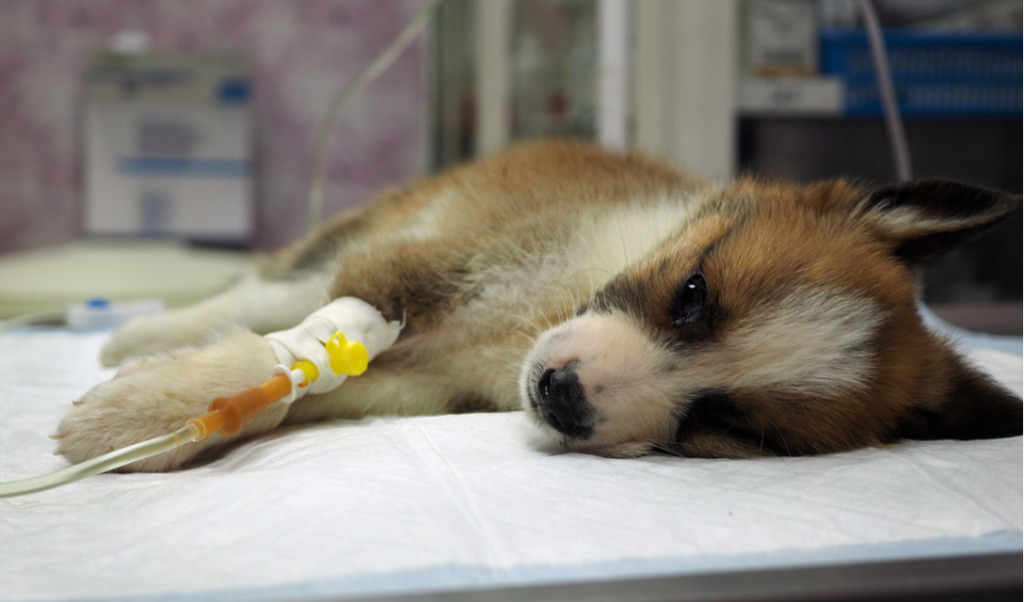
Parvovirus is a highly contagious viral disease that poses significant health risks to both cats and dogs. While the viruses affecting these two species differ, they share some similarities in their clinical manifestations, transmission routes, and prevention strategies. Understanding parvovirus can help pet owners take proactive steps to protect their furry companions.
Parvovirus in Dogs (Canine Parvovirus)
What Is Canine Parvovirus?
Canine parvovirus (CPV) is a virus that primarily affects young puppies but can also infect unvaccinated adult dogs. The virus targets rapidly dividing cells, such as those in the intestinal lining and bone marrow, causing severe gastrointestinal and immune system complications.
Symptoms
- Severe vomiting and diarrhea (often bloody)
- Lethargy
- Loss of appetite
- Fever or hypothermia
If left untreated, the virus can lead to dehydration, sepsis, and even death within days.
Transmission
Canine parvovirus spreads through direct contact with an infected dog or contaminated surfaces, including bowls, bedding, and even soil. The virus is exceptionally resilient and can survive in the environment for months.
Prevention
Vaccination is the most effective way to protect dogs against CPV. Puppies should receive a series of vaccinations starting at 6-8 weeks old and continue at regular intervals until 16 weeks of age. Booster shots are recommended annually or as advised by your veterinarian. Proper hygiene and disinfection of your dog’s environment also play a crucial role in prevention.
Parvovirus in Cats (Feline Panleukopenia Virus)
What Is Feline Panleukopenia Virus?
Feline panleukopenia virus (FPV), often called feline distemper, is caused by a parvovirus similar to CPV. It primarily affects kittens and unvaccinated cats, attacking rapidly dividing cells in the intestinal lining, bone marrow, and lymphoid tissues.
Symptoms
- Severe vomiting and diarrhea
- Extreme lethargy
- High fever
- Loss of appetite
- Dehydration
FPV can also cause neurological issues in kittens infected in utero, leading to tremors and poor coordination.
Transmission
FPV is transmitted through direct contact with infected cats or contaminated objects such as food bowls, litter boxes, and bedding. It is highly contagious and can survive in the environment for up to a year.
Prevention
Vaccination is key to preventing FPV. Kittens should begin their vaccination series at 6-8 weeks old, with boosters given every few weeks until 16 weeks of age. Adult cats should receive regular boosters as recommended by their veterinarian. Maintaining cleanliness and isolating infected animals are also crucial.
Diagnosis and Treatment
Diagnosis
Both canine and feline parvoviruses are diagnosed through a combination of clinical signs, history, and diagnostic tests such as ELISA tests, PCR, or bloodwork to detect the virus and assess the severity of the infection.
Treatment
There is no specific antiviral treatment for parvovirus infections in dogs or cats. Treatment focuses on supportive care, including:
- Intravenous fluids to combat dehydration
- Anti-nausea medications
- Antibiotics to prevent secondary bacterial infections
- Nutritional support
Early intervention in veterinary clinic improves the chances of recovery.
The Importance of Early Action
Parvovirus is a life-threatening disease, but it is also preventable. Early vaccination, proper hygiene, and prompt medical attention are essential to safeguarding your pets. If you notice symptoms of parvovirus in your dog or cat, seek veterinary care immediately.
By staying informed and vigilant, pet owners can ensure their furry friends remain healthy and safe from this devastating disease.