
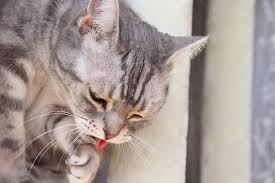
Cats are curious creatures known for their playful antics and inquisitive nature. However, their exploration can sometimes lead them into situations where they are exposed to toxic substances. As a responsible cat owner, it’s crucial to understand what can be harmful to your feline companion and how to address potential toxicity.
Common Causes of Toxicity in Cats
- Toxic Foods Many foods that are safe for humans can be harmful to cats. Common culprits include:
- Chocolate: Contains theobromine and caffeine, which are toxic to cats.
- Onions and Garlic: Can cause damage to red blood cells, leading to anemia.
- Grapes and Raisins: May cause kidney failure.
- Alcohol and Caffeine: Both can be fatal, even in small amounts.
- Household Plants Certain plants are highly toxic to cats. These include:
- Lilies: Extremely poisonous and can cause kidney failure.
- Poinsettias: May cause mild irritation but can be more harmful if ingested in large amounts.
- Aloe Vera: Causes vomiting and diarrhea when ingested.
- Medications Human medications can be particularly dangerous. Some common ones to watch out for are:
- Acetaminophen (Tylenol): Can cause liver failure and damage red blood cells.
- Ibuprofen: Can lead to stomach ulcers and kidney damage.
- Antidepressants: May cause seizures and other neurological issues.
- Chemical Products Cleaning agents, antifreeze, pesticides, and other household chemicals can be fatal if ingested. Cats may come into contact with these substances by licking their fur or paws after exposure.
Signs of Toxicity in Cats
Recognizing the signs of toxicity is essential for timely intervention. Common symptoms include:
- Vomiting and diarrhea
- Lethargy and weakness
- Loss of appetite
- Difficulty breathing
- Seizures or tremors
- Excessive salivation
- Unusual behavior or agitation
If you observe any of these signs, it’s crucial to act quickly, contact your veterinarian or visit nearest veterinary hospital
What to Do in Case of Toxicity
- Remove the Source: If you know what your cat has ingested, remove the toxic substance immediately to prevent further exposure.
- Contact Your Veterinarian nearest to your location: Time is of the essence. Call your vet or an emergency animal poison control center for guidance.
- Do Not Induce Vomiting Without Guidance: Inducing vomiting can sometimes cause more harm than good. Always consult a professional first.
- Bring the Packaging or Sample: If possible, bring the product or a sample of the ingested substance to the vet for identification.
Preventing Toxicity
- Cat-Proof Your Home: Store toxic substances in cabinets or places your cat cannot access.
- Be Cautious with Plants: Choose non-toxic plants and keep harmful ones out of reach.
- Monitor Your Cat: Keep an eye on your cat, especially in new environments or situations.
- Educate Yourself: Familiarize yourself with common toxins and ensure everyone in your household is aware.
Final Thoughts
Toxicity in cats is a serious issue that requires vigilance and quick action. By being aware of potential dangers and taking preventative measures, you can create a safer environment for your feline friend. If you suspect your cat has been exposed to a toxic substance, never hesitate to seek professional help—it could save their life.